
What Makes Behaviorally Based Speech Therapy Different?
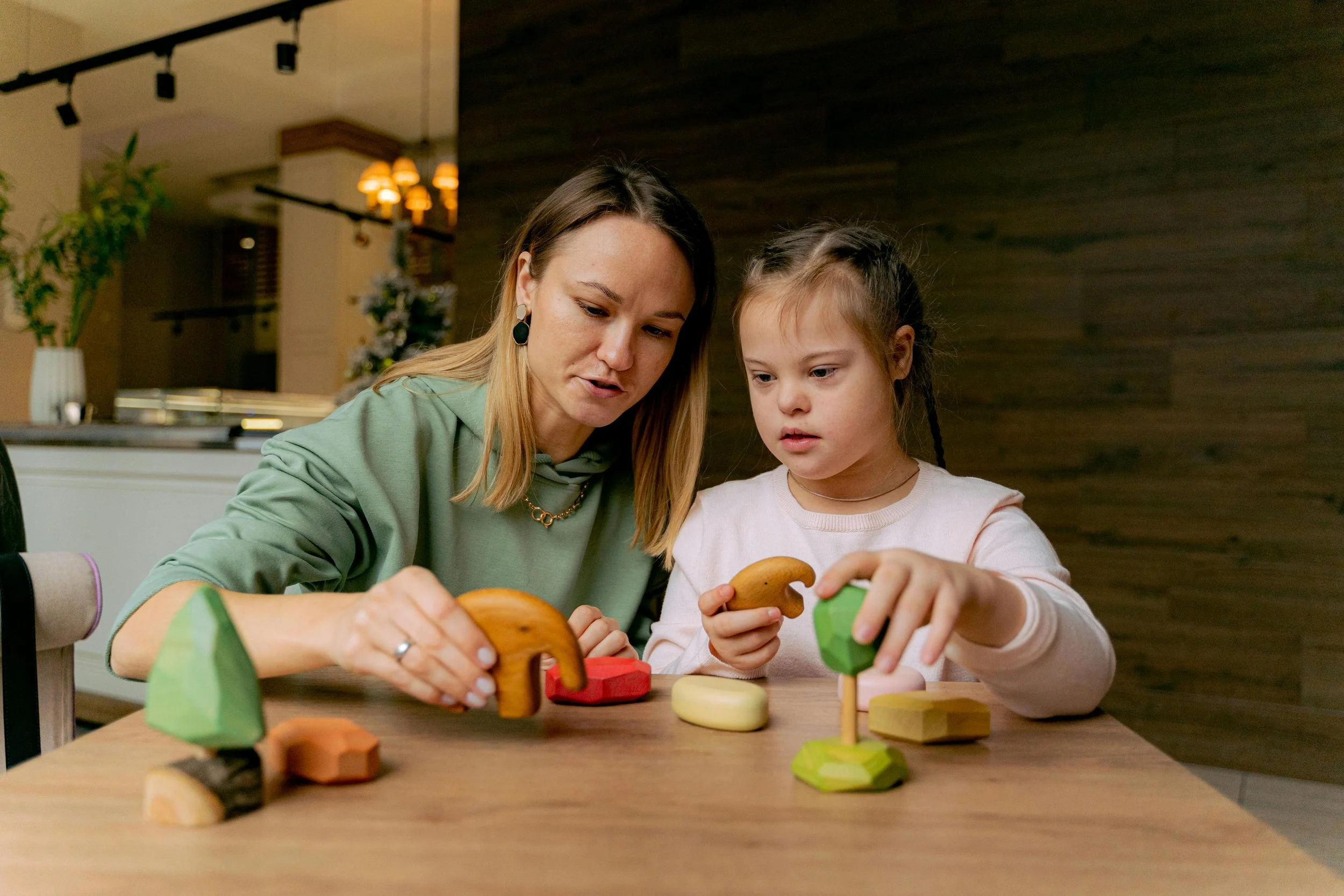
If your child has tried speech therapy but progress has been slow, you may be wondering whether a different approach could make a difference.
One model that has helped many children with autism and complex communication needs is behaviorally based speech therapy—an approach that integrates speech-language therapy with principles of applied behavior analysis (ABA).
But what does that actually mean?
What Is Behaviorally Based Speech Therapy?
Behaviorally based speech therapy combines traditional speech-language intervention with evidence-based behavioral strategies.
This approach focuses on:
Motivation and engagement
Clear learning structure
Consistent reinforcement
Repeated practice
Data-based decision making
It helps children learn communication skills in a way that matches how they process and retain information.
Why Some Traditional Therapy Falls Short
Many children with autism need more structure, repetition, and intensity than traditional therapy models typically provide.
Without sufficient practice, motivation, and consistency, skills may appear during sessions but fail to carry over into daily life.
In many cases, children will benefit from a more intensive approach that extends beyond one hour of speech therapy per week and allows the speech therapist and the ABA team to work together.
How This Approach Supports Progress
When speech therapy is combined with behavioral principles, children benefit from:
Increased participation
Reduced frustration
Clear expectations
More consistent practice
Stronger skill retention
This leads to faster learning and better generalization across settings.
Integration With ABA and Daily Routines
A key strength of behaviorally based speech therapy is collaboration.
Speech goals are embedded into ABA programs, home routines, and school activities, allowing children to practice communication skills beyond therapy sessions.
This high level of consistency is essential for long-term success.
Our Approach at Speech Point
At Speech Point, our clinicians are trained in both speech-language pathology and applied behavior analysis.
This dual expertise allows us to design therapy programs that are structured, individualized, and responsive to each child’s learning style.
We focus on building functional communication skills that children can use in real life—not just in therapy.
Final Thoughts
Behaviorally based speech therapy is not about being rigid or robotic.
It is about using proven learning principles to help children communicate more effectively, confidently, and independently.
For many families, this integrated approach makes the difference between stalled progress and meaningful growth.
If you are exploring new options for your child, our team is here to help.